
Training Log – Preparing for Instructor Pathway
When I first started diving, waaaaaaay back in 2010, becoming an instructor wasn’t an immediate goal. I learnt to dive with the Wasserrettung (Water Rescue Association) in Innsbruck, and the instructors we had were not only unbelievably good divers, but they were also impressively good instructors: patient, kind, understanding and highly knowledgable. But most importantly, they led by example.
In my mind, this meant instructor equals amazing diver, and I decided that I would like to be an instructor. I had also gained some experience teaching kids how to sail, and – for me – teaching in any outdoor activity is a rewarding thing in itself.
In the many years since then, this naïve illusion has sadly been shattered by some divers and instructors I have met – luckily not on any course that I’ve taken. Nevertheless, my instructors from the ÖWR are still the kind of diver I aspire to be when I grow up become a better diver (and when I become an instructor).
Becoming an instructor isn’t for everyone, and these are my very personal opinions – other people’s experience might differ. Nevertheless, I’m excited to take you along on my scuba instructor journey.
Step 1: Getting the Basics Right

Before you can teach anything – regardless of whether this is diving or an unrelated activity – you have to be proficient. Part of the Divemaster course and certification is a skills review, where you have to be proficient enough to show all the skills from an Open Water Diver course to demonstration quality.
Attaining this level of skill isn’t about how many dives you have, but more about feeling comfortable in the water and not having to think about the basics. Quoting James from Divers Ready, these are:
- Breathing
- Buoyancy
- Trim
- Propulsion
In my case, taking a GUE Fundamentals course (more in a separate post) was one of the best things I could do to improve all of the above. But for most people, the best thing you can do is to go diving and be mindful of how you’re diving. If you can’t stay stationary on a 5m safety stop for 3 minutes, maybe there’s things to work on.
Demonstration vs. Expert-Level
In the SSI training standards, demonstration-level quality means: “The skill is completed without hesitation or mistakes, and can be repeated without noticeable effort. Each key point of the skill is clearly identified and demonstrated during the exercise with pauses for emphasis.”
Expert-level quality means: “The skill is completed without pauses or mistakes, and can be repeated without noticeable effort.”
Brush up on theory knowledge. You will be expected to teach theory sessions as part of the Instructor Training Course. Once you’re qualified as an instructor, students will be asking questions, and you need to be able to answer them. Aiming for a level of knowledge at least one grade higher than what you will be teaching is always a Good Thing™, regardless of what you’re teaching.
Finally, fitness. This is one I’ve not historically been the best at (see other posts here on the blog on that topic). It’s not a good look if you can’t get to the water without huffing and puffing like an old-fashioned steam engine. The fitness evaluation for SSI candidates requires the following:
- 375m swim in 20 minutes (without using fins, mask, snorkel)
- Tread water for 15 minutes (some trainers may require you to hold your hands out of the water for the last few minutes, this isn’t necessarily in the standards though)
- Swim 25m under water, using a mask and fins
- Perform a full, unconscious-diver-on-the-surface rescue with a total distance of 100 meters within 8 minutes
The recommendation is to do this in a pool, but be prepared for it to be done in open water (the sea or a lake). One of the best things you can do to prepare for this is to go swimming. If you’re not comfortable swimming, consider taking lessons or some coaching sessions. Treading water is hard work, so building up stamina is a good idea – running/jogging is a good way to build up the stamina required. Alternatively, vigorous cycling helps as well. Feel free to reach out to me in the comments or via instagram if you have any questions about this.
Step 2: Gear Prep & Organisation
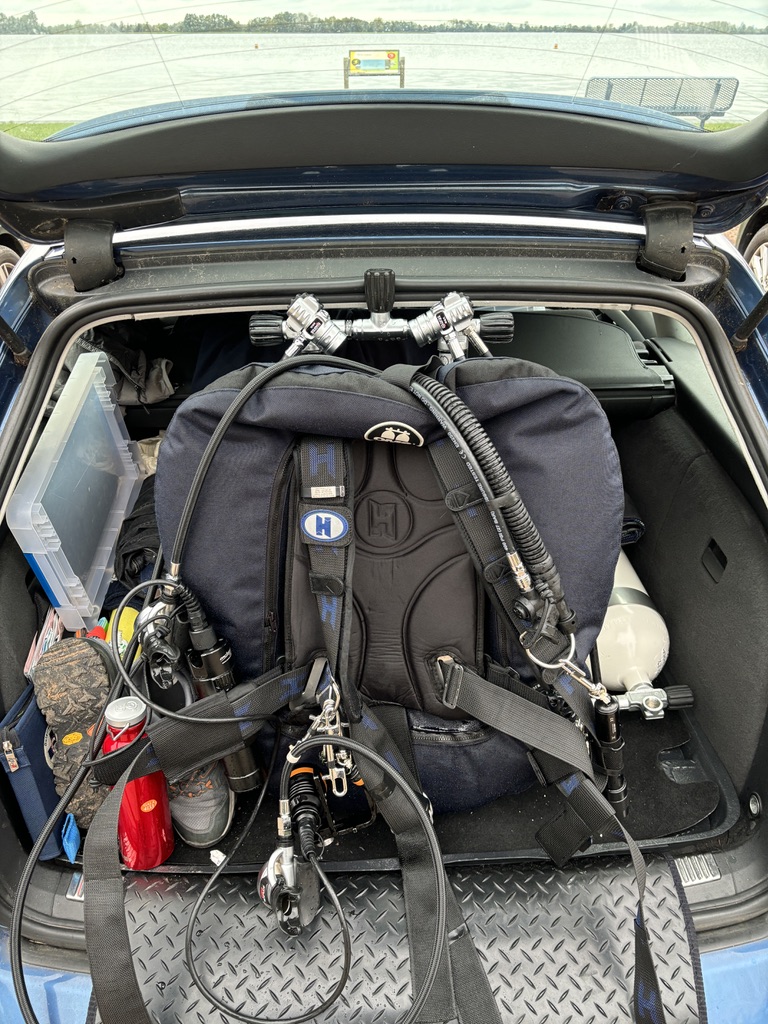
Once you get to professional level, it is expected that you will own your own diving equipment. You should be familiar with your kit – you really don’t want to be faffing around with new kit while also trying to learn how to teach new skills. This goes back to the basics mentioned above. Your kit should be well maintained (when was the last time you had your regs serviced?) and, ideally streamlined.
This means you shouldn’t look like a christmas tree – while sometimes it is unavoidable that we will have gear attached to external d-rings, make sure it’s not dangling around where it could get in the way, or cause an entanglement hazard. The tech divers have got some fairly good ideas about this, so it might be worth poking your head out of the recreational world.
I’ll go into my gear selections and rationale in a set of different posts, but one thing you should consider is most dive centres around the world will teach using jacket-style BCDs and the usual 90cm regulator with a 100cm yellow octopus. A wing and long-hose regulator setup is a fantastic choice, but not if your students are in jackets and using a reg setup with an octopus. Unless you know you’ll be teaching beginners from the get-go in a wing with a long-hose, get used to a jacket BCD and “normal” regulator setup.
Step 3: Developing the Teaching Mindset
There’s a big difference between being proficient in a skill and being able to teach it.
This is one that some people will struggle with. I’ve had a lot of experience teaching courses through my day job in IT. I’ve taught kids to sail, and I’m an active powerboat instructor. None of that came naturally, and there was a lot of work and self-reflection involved.
Books and courses can teach you about active feedback, constructive criticism, etc., but until you’ve had a really good trainer explain the difference and demonstrate how changing certain words makes feedback sound completely different, it’s hard to actually grasp. Think back to some courses you’ve taken and how the instructors worked with you – we’ve all had good and bad experiences in many types of learning situations. Pick the worst one you’ve ever had and don’t be that person. 😉
When teaching any outdoor skill, patience is a virtue. Everybody learns differently (the ITC will teach you all about the different learning styles), and you may have to adapt your way of teaching on the fly. Underwater, we can’t talk and communication using hand signals with inexperienced divers may lead to confusion. Clear briefings and explanations, as well as positive reinforcement will always be key here.
You may get lucky and have students that are perfect from the outset and master all skills with ease. That’s great, but it doesn’t teach you how to teach. Think back to your struggles in your open water course, or things other students had problems with. Think about how you could handle that, or what you would do differently to your instructors. Anticipating mistakes can let you prevent them from happening, or when they do happen, prevent them from escalating into a Big Problem™ and A Bad Day™.
Step 4: Mental & Emotional Prep
Some of the best divers (and skippers) I know are almost zen-like in their attitude and bearing. They’re not rattled by unexpected situations and just handle them. When you become an instructor, you will face stressful situations and you need to be able to handle them – if your students are on the verge of panic and you’re not calm and relaxed, it’s very, very easy for that beginning panic to turn into real panic; that in turn could escalate the situation dramatically. So staying calm under pressure is something all of us as dive professionals need to work on. (It’s not a bad thing in the real world either).
Some of the days on the ITC will be long, once you’re working as a dive professional, you may face long days with many challenges. Building up some resilience is key, and self-reflection can help.
- What helps to keep you calm?
For me, deep breaths, stepping back and assessing, and not going straight into hero-save-the-day mode usually helps. - What causes you to start losing your cool?
For me, getting hangry is a real thing: not eating enough on a long day can cause dark thoughts to spiral and make me totally lose my zen… - Can you be a leader?
For me, if I have to, I will. - Can you be a role model?
I try to be. One of my mantras is “be better than yesterday.”
Conclusion
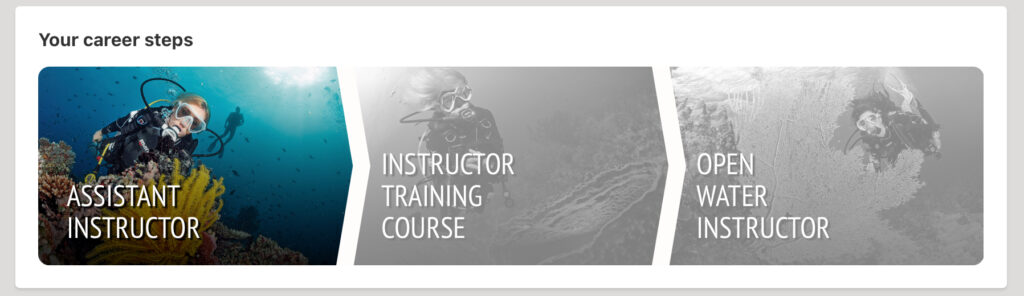
Becoming an instructor is more than just being a good diver. In my opinion, diving is the smallest part of the process. Mindful diving, being aware of what you’re doing are important, but communication and interpersonal skills are far more important.
At the end of the day, as instructors, we’re going to be introducing people to a world they’ve never been to, and that’s just magic. That experience should be the best possible experience for the new divers and leave them wanting to come back for more.
Jacques Cousteau said, “The sea, once it casts its spell, holds one in its net of wonder forever”. We can help cast that spell, so let’s do it well.
Let me know down in the comments if you have any further tips or questions.


You May Also Like

Wonders in the Deep – Mensun Bound & Mark Frary
2025-08-13
Deco for Divers – Mark Powell
2025-09-16